
 https://doi.org/10.4081/reumatismo.2026.2105
Patient satisfaction and adherence to vitamin D supplementation: results from a nationwide survey in Italy
All claims expressed in this article are solely those of the authors and do not necessarily represent those of their affiliated organizations, or those of the publisher, the editors and the reviewers. Any product that may be evaluated in this article or claim that may be made by its manufacturer is not guaranteed or endorsed by the publisher.
Accepted: 13 July 2026
Published: 30 September 2026
Objective. The objective of the present study was to evaluate patient satisfaction and adherence to different vitamin D formulations and dosing regimens in a large Italian cohort of patients treated for osteoporosis or vitamin D deficiency.
Methods. We did a cross-sectional study; a questionnaire (FEDIOS Survey, version 3.2) was administered across multiple centers under FEDIOS patronage. Questions assessed socio-demographic data, vitamin D treatment characteristics, perceived convenience, tolerability, adherence (Morisky scale), and overall satisfaction.
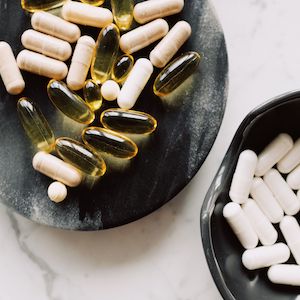
Results. A total of 658 respondents (mean age 65.5±13.1 years; 86% women) completed the questionnaire. Most participants had a high school diploma (38%), and 96% were currently taking vitamin D, predominantly as liquid formulations (bottles 67%, ampoules 23%). The most frequent dosing was monthly (41%), followed by weekly (37%) and daily (19%). Laboratory confirmation of deficiency was obtained in 83% of cases; 49% were treated for osteoporosis. Only 14% reported difficulties with intake, most commonly problems opening ampoules (36%) or forgetting doses (33%). On a 7-point Likert scale, mean satisfaction scores were 5.74±1.08 for overall treatment satisfaction and 5.81±1.11 for willingness to continue treatment. The Morisky adherence score averaged 1.44 to 1.55 for most formulations, indicating moderate-to-high adherence without significant inter-group differences (p=0.78). However, monthly regimens, especially ampoules and bottles, were associated with significantly higher satisfaction for dosing frequency and continuation intention (p=0.017 and 0.018, Δ≈+9%). Global satisfaction was highest for monthly ampoules (6.08±0.82) and monthly tablets (6.18±0.91), and lowest for daily tablets (5.69±1.01).
Conclusions. In summary, vitamin D supplementation was generally well accepted among Italian patients, with a preference for monthly liquid formulations, perceived as more convenient and easier to manage. Simplified dosing schedules appear to enhance satisfaction and support sustained adherence.
Downloads
Benini C, Esposito D, Adami G, Vantaggiato E, Gatti D, Rossini M, et al. Calcium and vitamin D supplementation: when and why. Minerva Obstet Gynecol 2021; 73: 704-13. DOI: https://doi.org/10.23736/S2724-606X.20.04682-1
Adami S, Romagnoli E, Carnevale V, Scillitani A, Giusti A, Rossini M, et al. Guidelines on prevention and treatment of vitamin D deficiency. Reumatismo 2011; 63: 129-47. [Article in Italian]. DOI: https://doi.org/10.4081/reumatismo.2011.129
Simon AE, Ahrens KA. Adherence to vitamin D intake guidelines in the United States. Pediatrics 2020; 145: e20193574. DOI: https://doi.org/10.1542/peds.2019-3574
Adami S, Giannini S, Bianchi G, Sinigaglia L, Di Munno O, Fiore CE, et al. Vitamin D status and response to treatment in post-menopausal osteoporosis. Osteoporos Int 2009; 20: 239-44. DOI: https://doi.org/10.1007/s00198-008-0650-y
Isaia G, Giorgino R, Rini GB, Bevilacqua M, Maugeri D, Adami S. Prevalence of hypovitaminosis D in elderly women in Italy: clinical consequences and risk factors. Osteoporos Int 2003; 14: 577-82. DOI: https://doi.org/10.1007/s00198-003-1390-7
Fassio A, Adami G, Rossini M, Giollo A, Caimmi C, Bixio R, et al. Pharmacokinetics of oral cholecalciferol in healthy subjects with vitamin D deficiency: a randomized open-label study. Nutrients 2020; 12: 1553. DOI: https://doi.org/10.3390/nu12061553
Morisky DE, Green LW, Levine DM. Concurrent and predictive validity of a self-reported measure of medication adherence. Med Care 1986; 24: 67-74. DOI: https://doi.org/10.1097/00005650-198601000-00007
Conti F, Piscitelli P, Italiano G, Parma A, Caffetti MC, Giolli L, et al. Adherence to calcium and vitamin D supplementations: results from the ADVICE Survey. Clin Cases Miner Bone Metab 2012; 9: 157-60.
Mortensen C, Tetens I, Kristensen M, Snitkjaer P, Beck AM. Adherence and barriers to the vitamin D and calcium supplement recommendation at Danish nursing homes: a cross-sectional study. BMC Geriatrics 2022; 22: 27. DOI: https://doi.org/10.1186/s12877-021-02719-4
Rothen JP, Rutishauser J, Walter PN, Hersberger KE, Arnet I. Oral intermittent vitamin D substitution: influence of pharmaceutical form and dosage frequency on medication adherence: a randomized clinical trial. BMC Pharmacol Toxicol 2020; 21: 51. DOI: https://doi.org/10.1186/s40360-020-00430-5
Loftus J, Yaworsky A, Roland CL, Turner-Bowker D, McLafferty M, Su S, et al. Experience of switching from a daily to a less frequent administration of injection treatments. PLoS One 2022; 17: e0278293. DOI: https://doi.org/10.1371/journal.pone.0278293
MacKenzie-Smith L, Marchi P, Thorne H, Timeus S, Young R, Le Calvé P. Patient preference and physician perceptions of patient preference for oral pharmaceutical formulations: results from a real-life survey. Inflamm Intest Dis 2018; 3: 43-51. DOI: https://doi.org/10.1159/000493346
Kirsch V, Matthes J. Aspects of medication and patient participation—an Easy guideLine (AMPEL). A conversation guide increases patients’ and physicians’ satisfaction with prescription talks. Naunyn-Schmiedeberg’s Arch Pharmacol 2021; 394: 1757-67. DOI: https://doi.org/10.1007/s00210-021-02107-0
Fassio A, Gatti D, Rossini M, Bertelle D, Bixio R, Viapiana O, et al. Effects on serum inflammatory cytokines of cholecalciferol supplementation in healthy subjects with vitamin D deficiency. Nutrients 2022; 14: 4823. DOI: https://doi.org/10.3390/nu14224823
Ethics Approval
CRediT authorship contribution
Giovanni Adami, Stefano Negri: conceptualization, investigation, supervision, validation, writing – original draft, review and editing. Giovanni Adami: data curation, formal analysis, project administration.
How to Cite

This work is licensed under a Creative Commons Attribution-NonCommercial 4.0 International License.
PAGEPress has chosen to apply the Creative Commons Attribution NonCommercial 4.0 International License (CC BY-NC 4.0) to all manuscripts to be published.